
What the Tarahumara Got Right About Endurance (and What We Invented)
Tarahumara endurance isn't a superpower. Learn what the Rarámuri really do – walk, run slow, run together – and which running myths we made up.

Telchatta Kumar
What the Tarahumara Got Right About Endurance (and What We Invented)
Listen to this article · English
The Tarahumara (Rarámuri) of northern Mexico are not superhuman runners. Their endurance comes from a lifetime of walking, farming, herding, dancing and running at moderate speeds, usually together and often as a form of prayer. What they got right is a huge volume of easy movement woven into daily life; what we invented is the idea that sandals, a superfood or some secret gene explains it.
Key takeaways
- Research published in 2020 found the Rarámuri do not "train" in the Western sense – their fitness comes from walking, work and community running.
- Their traditional running was mostly moderate in pace, with walking mixed in. That matches what modern endurance science recommends.
- Huaraches, chia drinks and "pain-free" running are largely outsider myths.
- You can borrow the useful parts: more daily walking, mostly easy running, group runs and walk breaks on long days.
Who the Rarámuri actually are
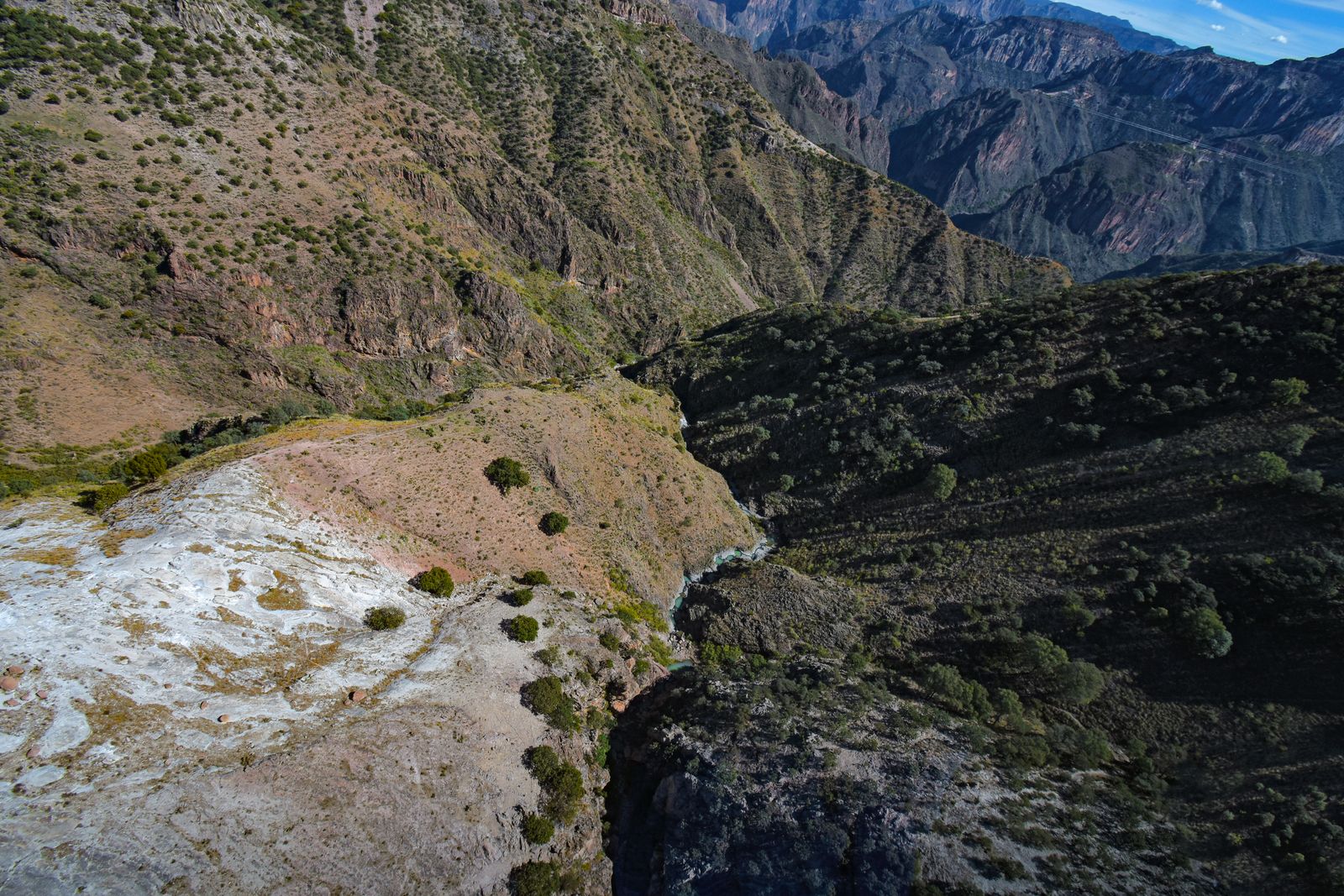
The Rarámuri are an Indigenous people of the Sierra Tarahumara in Chihuahua, a maze of canyons that includes the famous Copper Canyon. "Tarahumara" is the Spanish name; "Rarámuri" is what they call themselves, and it is often translated as "those who run fast" or "foot runners."
Travellers have described their long footraces for more than a century. Global fame arrived in 2009, when Christopher McDougall's Born to Run turned them into heroes of the barefoot and ultra boom. That book is a gripping read, but it is a story, not a study. If you want the evolutionary side of the argument, start with our piece on why humans really were born to run.
The problem is what happened next. Magazines, brands and race marketers took a real culture and flattened it into a sales pitch.
What the science actually found
The best look we have comes from a 2020 paper in Current Anthropology by Harvard evolutionary biologist Daniel Lieberman and colleagues, including Silvino Cubesare Quimare, a champion Rarámuri runner. The team combined years of fieldwork with detailed interviews of 10 elderly Rarámuri about hunting and racing.
Their findings were refreshingly ordinary:
- They don't train. Adults do not practise running to improve speed or form the way Western runners do.
- Not all of them are great runners. Talent varies, just like anywhere else.
- It hurts for them too. Rarámuri runners struggle in long races and get tired and sore like everyone else.
- Hunting was moderate. Elders described persistence hunts for deer that could last two days or more. Hunters ran at a steady pace, sped up when tracks were clear, walked when they had to search, and rested at night.
- Running is spiritual and social. Footraces and endurance dances are considered forms of prayer, and the whole community takes part.
The authors gave the outsider stereotype a blunt name: the "fallacy of the athletic savage." It is the old idea that non-Western peoples are naturally tireless and immune to pain. It erases their effort, skill and motivation.
What the Tarahumara got right
1. Endurance is built by walking, not just running
The 2020 paper notes that the Rarámuri might be better called the "walking people." Children walk long, steep distances from a young age. Adults hike to fields and towns, haul supplies and herd animals for hours. That is a massive aerobic base built at low intensity, every single day.
Most modern runners do the opposite: they sit for 10 hours, then try to cram all their endurance into a 45-minute run.
2. Moderate pace is the default
Persistence hunters were not sprinting. They ran steadily for hours and walked when needed. That looks a lot like the training distribution elite endurance athletes use today, with roughly 80% of their volume at easy effort. Our guide to the 80/20 running rule explains why this pattern scales so well.
3. Running is a community event
In rarajípari, the main men's race, teams kick a small wooden ball along a course for many hours. Women race ariwete, chasing a hoop with a stick. Helpers run laps alongside, families prepare food, spectators cheer and bet. Some endurance dances go on for more than 24 hours.
Nobody does that alone in a basement on a treadmill. Social running makes hard effort feel normal and keeps people coming back.
4. Meaning beats motivation
For the Rarámuri, running can be a prayer. You don't need a religious reason to run, but you do need a reason bigger than "burn calories." Runners who tie training to identity, friends or a cause tend to stick with it much longer than runners chasing a single number.
5. Feet get strong from use
In a 2018 study in Scientific Reports, Nicholas Holowka, Ian Wallace and Lieberman found that Rarámuri who wore minimal sandals had stiffer foot arches than people who grew up in conventional shoes. That fits a simple rule: tissues adapt to the loads you give them, gradually, over years.
What we invented
The superhuman myth
Popular stories claim the Rarámuri never get injured, feel no pain and can outrun horses. None of that holds up. They are skilled, hard-working athletes – not a different species. Rarámuri runners who race outside the Sierra do well in trail ultras, and some, like Lorena Ramírez, drew global attention racing mountain ultras in a skirt and sandals. That success came from a hard life and real effort, not magic.
The magic sandal
Huaraches are traditional footwear, once made from plant fibre or hide and now usually cut from old car tyres. They are what people have and can make cheaply. The 2020 paper even notes that during races, community members who join for a lap or two sometimes wear running shoes or boots. Sandals were never the "secret." For the full evidence on going minimal, read what 15 years of barefoot research concluded.
The superfood diet
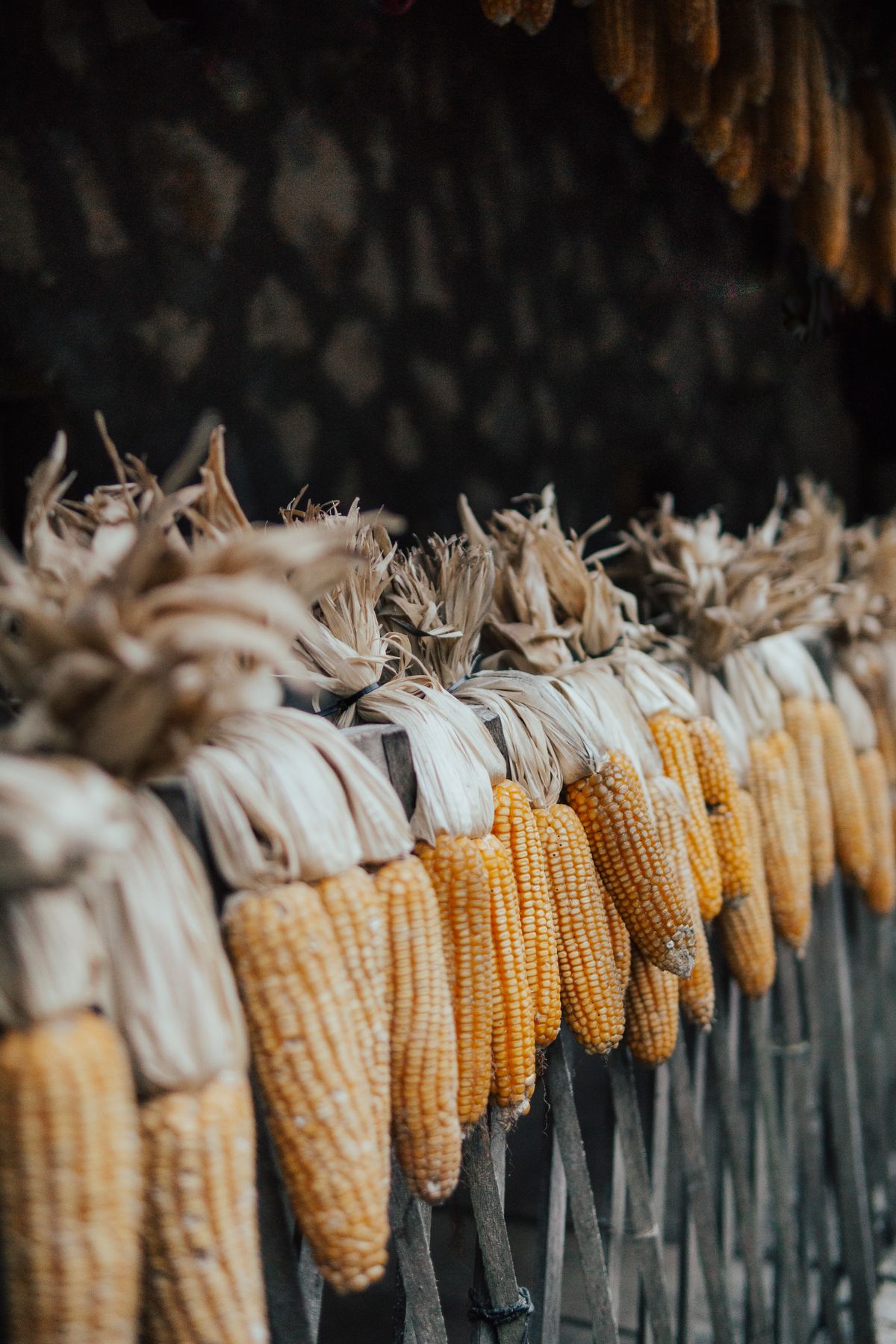
The traditional Rarámuri diet is built mostly on corn, beans and squash, with pinole (ground toasted corn) as portable fuel. In other words, it is high in carbohydrate and very plain. Chia drinks got a starring role in marketing, and corn beer called tesgüino is central to race festivities – hardly a performance-nutrition plan.
The "natural runner" shortcut
The biggest invention is the idea that you can buy their endurance with a product. What actually built it – thousands of hours of low-intensity movement from childhood – can't be bought. It can, however, be borrowed in small doses.
How to borrow what works
You can't rebuild a canyon lifestyle in a city apartment, but you can copy its principles.
- Walk every day. Aim for 30–60 minutes of walking on top of your running. It adds aerobic volume with almost no injury cost.
- Keep 75–80% of your running truly easy. If your 5K time is 25:00 (5:00/km or 8:03/mile), easy runs should sit around 6:00–6:45/km (9:39–10:52/mile). You should be able to talk in full sentences.
- Run with people once a week. A club run or a friend's long run counts.
- Use walk breaks on long runs. Try 9 minutes running, 1 minute walking. It is a strategy, not a failure.
- Mix in other endurance work. Hiking, cycling, even long dance sessions build the same engine.
- Strengthen feet slowly. Do 10 minutes of barefoot drills at home and switch footwear gradually over months, not days.
If foot or shin pain lasts more than two weeks or gets worse when you run, stop experimenting and see a physiotherapist or sports doctor.
A Rarámuri-inspired training week
- Monday: 45-minute walk plus 10 minutes of foot drills (towel scrunches, calf raises, single-leg balance)
- Tuesday: 40-minute easy run
- Wednesday: 60–90-minute hike or bike ride
- Thursday: 45-minute easy run with 6 × 20-second relaxed strides
- Friday: Rest or a 30-minute walk
- Saturday: 75–100-minute group long run, walking 1 minute every 10 minutes
- Sunday: 60-minute walk with family or friends
Find your next race on Runtra
Ready to test your new easy-running engine on real terrain? Browse trail runs worldwide, look at ultramarathons when you're ready to go long, or explore races in Mexico if the Sierra Madre is calling.
FAQ
Are the Tarahumara the best runners in the world?
No single group is "the best." The Rarámuri have a remarkable running tradition and some excellent ultra runners, but research shows they are not biologically superhuman. Their endurance comes from a physically active life, culture and hard work.
Did the Tarahumara run barefoot?
Mostly not. They traditionally run in huaraches, simple sandals once made of plant fibre or leather and now usually cut from tyre rubber. Some community members even join races in running shoes or boots.
What do the Tarahumara eat for endurance?
Their traditional diet is based on corn, beans and squash, with pinole (toasted ground corn) as an easy fuel. It is high in carbohydrate and simple. There is no evidence of a secret superfood behind their running.
Should I start running in minimalist sandals?
Only if you transition very slowly over several months and have no history of foot injury. Footwear changes shift load to your calves, Achilles and feet. If pain persists for more than two weeks, see a physiotherapist.
How can I build endurance like the Tarahumara?
Walk daily, keep most of your runs at a conversational pace, run with others, and use walk breaks on long runs. Add hiking or cycling for extra low-intensity volume. Consistency over years matters far more than any single workout.