
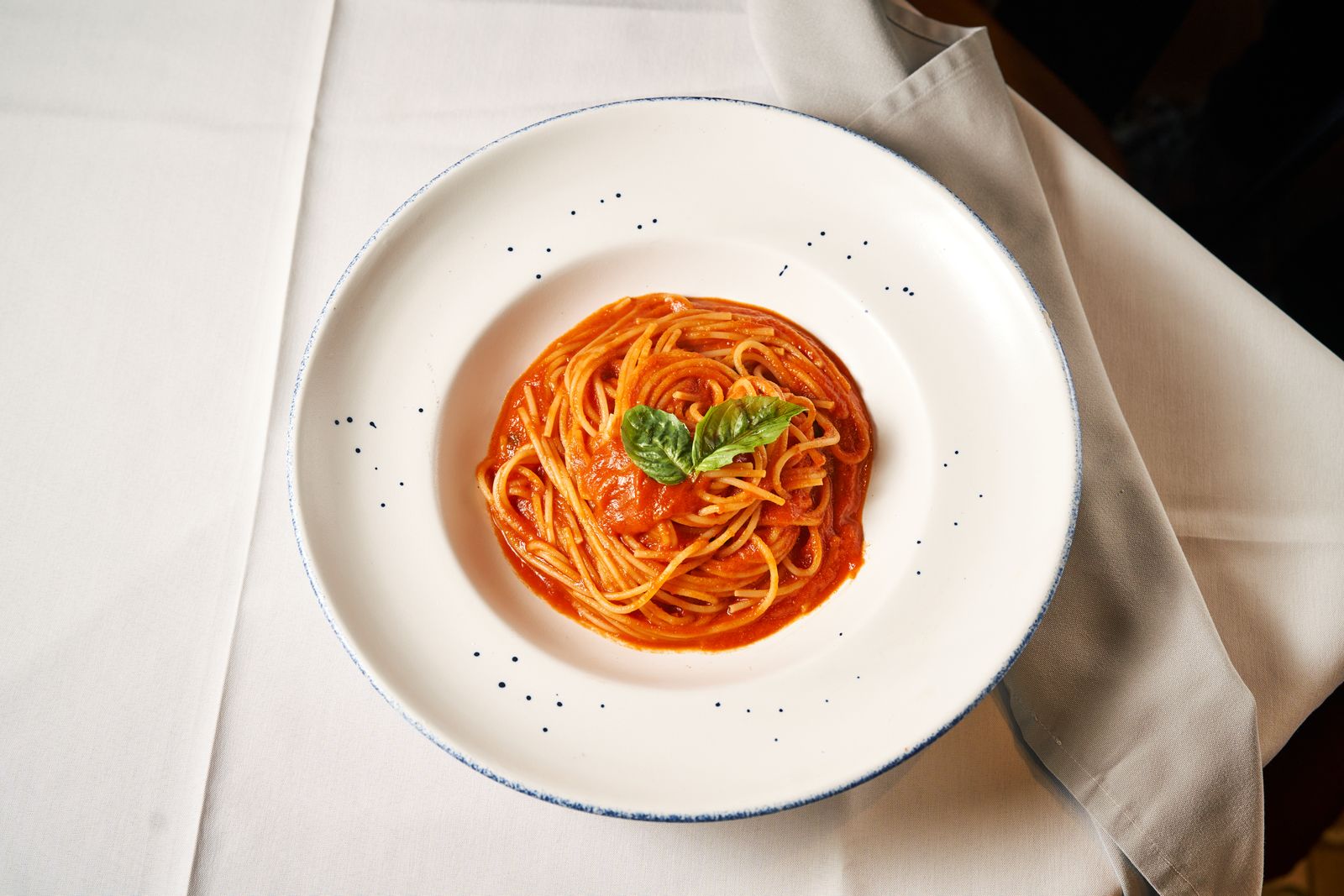
The Night-Before-Race Meal That Doesn't Wreck Your Stomach
What to eat the night before a race: a simple, carb-rich, low-fibre dinner plan that tops up energy without wrecking your stomach on race morning.

Telchatta Kumar
The Night-Before-Race Meal That Doesn't Wreck Your Stomach
Listen to this article · English
The best night-before-race meal is boring on purpose: a familiar, carb-rich plate of rice, pasta, potatoes or bread, a modest portion of lean protein, very little fat and fibre, eaten 12 to 14 hours before the start. Dinner won't make your race, but the wrong dinner can absolutely ruin it. Think "top up and settle," not "feast."
Key takeaways
- Most of your fuel is stored in the 24 to 48 hours before the race, not at dinner. Dinner is a top-up.
- Aim for roughly 1.5 to 2 g of carbohydrate per kg of body weight at dinner, from foods you already eat often.
- Keep fibre, fat, spice and alcohol low. They slow digestion or irritate the gut under race stress.
- Eat early, around 6:00 to 7:00 pm for a 7:00 am start, so the meal has cleared before you line up.
- Nothing new. Race eve is not the night to try the famous local dish.
Why the dinner matters less (and more) than you think
Your muscles store carbohydrate as glycogen, and for a half marathon or marathon those stores are what keep your pace alive in the final third. Filling them takes time. The 2016 joint position statement on nutrition and athletic performance from the American College of Sports Medicine, the Academy of Nutrition and Dietetics and Dietitians of Canada recommends 10 to 12 g of carbohydrate per kg per day for 36 to 48 hours before events longer than 90 minutes.
That means one plate of pasta at 8:00 pm cannot rescue two days of under-eating. A single dinner simply doesn't hold enough carbohydrate to fill your muscles from empty.
But dinner matters in a different way. It's the meal most likely to send you to the portable toilets at kilometre 8. Under race-morning nerves and race-pace effort, blood flow to your gut drops and digestion slows. Whatever is still sitting in your intestines from last night gets less help moving along. So the job of dinner is to add a final layer of fuel while leaving as little "residue" as possible.
What to put on the plate
Build the meal in three parts. Here's a template that works for most runners.
1. A big, plain carbohydrate base (about two-thirds of the plate)
- White rice, white pasta, potatoes without the skin, white bread, rice noodles, plain dosa or idli, couscous, polenta.
- Choose refined, lower-fibre versions tonight. Brown rice and wholegrain pasta are great on normal days, but their extra fibre is exactly what you don't want 12 hours before a race.
- Target: about 1.5 to 2 g of carbohydrate per kg. For a 60 kg (132 lb) runner, that's 90 to 120 g, roughly 2.5 to 3 cups of cooked rice or pasta, with bread or a dessert making up the rest.
2. A modest portion of lean protein (palm-sized)
- Grilled chicken or fish, eggs, tofu, a little paneer, or a small portion of lean meat.
- Around 20 to 30 g of protein is plenty. Protein and fat slow stomach emptying, so a 400 g steak works against you.
3. A small amount of cooked, gentle vegetables
- Peeled carrots, courgette (zucchini), spinach or pumpkin, cooked soft.
- Skip the big raw salad, broccoli, cauliflower, cabbage, beans and lentils tonight. They are fibre-rich and gas-producing for many people.
Sauce and seasoning
Keep sauces simple: a tomato-based pasta sauce, a little olive oil, soy sauce, a mild broth. Salt is fine and can even help if you sweat heavily. Hold the cream sauces, cheese mountains, deep-fried sides and the hot chilli you don't usually eat.
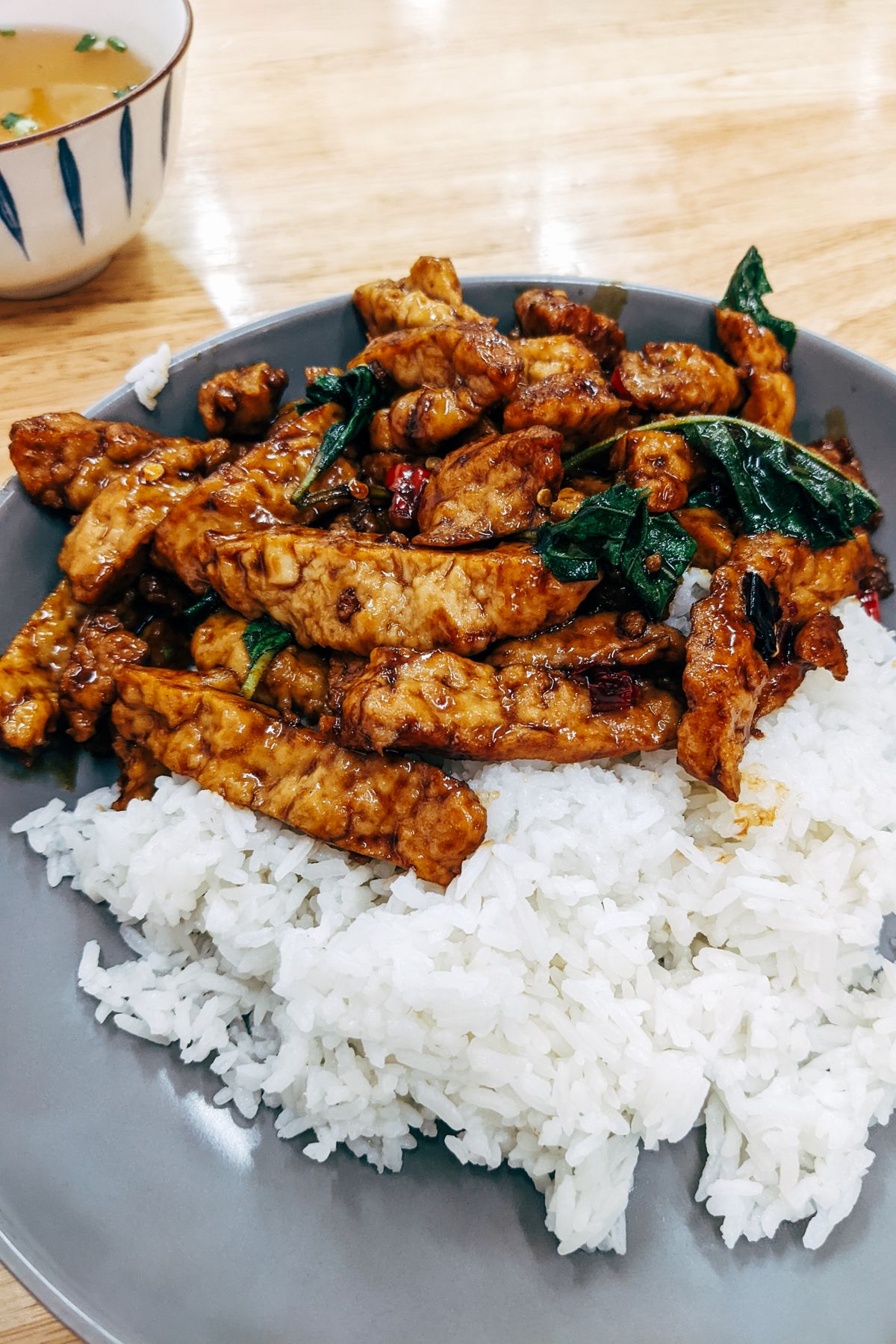
The foods that cause the most race-morning trouble
Gut problems in endurance sport are extremely common. A 2014 review in Sports Medicine by de Oliveira, Burini and Jeukendrup estimated that 30 to 50% of athletes experience gastrointestinal complaints during exercise, and the review notes that fibre, fat, protein and concentrated carbohydrate all influence symptoms. Here's where the night-before meal usually goes wrong.
- High fibre: wholegrain everything, bran, beans, chickpeas, lentils, raw vegetables, dried fruit. Fibre adds bulk that needs to move through the gut on race morning.
- High fat: fried food, pizza with extra cheese, creamy curries, burgers. Fat delays gastric emptying, so you may still feel heavy at the start.
- Big portions: "carb loading" at dinner often means eating until you feel stuffed. Feeling uncomfortably full at 10:00 pm usually means feeling sluggish at 6:00 am.
- Alcohol: even one or two drinks can disturb sleep quality and add to dehydration. Save the celebration beer for after.
- High-FODMAP foods, if you're sensitive: garlic, onion, apples, pears, milk for lactose-intolerant runners, and sugar-free sweets with sorbitol. A 2018 study in Medicine & Science in Sports & Exercise by Lis and colleagues found a short-term low-FODMAP diet reduced daily gut symptoms in runners with a history of exercise-related gut trouble.
- Unfamiliar or very spicy food: your gut has habits. Respect them.
Timing, portion and drinks
When to eat
For a typical 7:00 am start, eat dinner between 6:00 and 7:00 pm. That leaves 12 or more hours for digestion and gives you time to go to bed without feeling full. If your race starts later, shift dinner later too, but try to finish eating at least 3 hours before you go to sleep.
If you're hungry before bed, a small, easy snack is fine: a banana, a slice of white toast with honey, a few plain crackers, or a glass of a sports drink.
How much to drink
Drink normally through the evening and sip water with dinner. You don't need to force down litres. Pale-yellow urine is a reasonable sign you're well hydrated. Over-drinking mostly guarantees broken sleep from bathroom trips, and in extreme cases very large volumes of plain water can lower blood sodium.
Caffeine
If you drink coffee in the morning, keep it. But skip caffeine after mid-afternoon on race eve so it doesn't cut into the sleep you're already likely to lose to nerves.
Sample race-eve menus
Here are a few plates that fit the template, from different kitchens. Portions are for a runner of about 60 to 70 kg (132 to 154 lb); scale up or down by body weight.
- Italian-style: 2.5 to 3 cups cooked white pasta with simple tomato sauce, a small piece of grilled chicken or fish, two slices of white bread, sorbet for dessert.
- Asian-style: a large bowl of white rice, teriyaki salmon or tofu, a small serving of soft-cooked bok choy, a glass of juice.
- Indian-style: plain rice or curd rice (if dairy suits you), a small portion of mild chicken curry or paneer without heavy cream, a plain chapati or two, and a banana.
- Simple hotel option: a baked potato without the skin, a plain roll, grilled chicken, and a cup of white rice or plain noodles if the menu allows.
If you're travelling, research a restaurant near your hotel in advance and book an early table. Race-eve restaurants fill quickly, and late, rushed dinners are where things go wrong. Pack a backup: instant rice pouches, plain bagels or rice cakes take up little space.
Your race-eve checklist
- Check that you ate well over the previous 1 to 2 days, especially carbohydrate.
- Eat dinner 12 to 14 hours before the start, ideally a meal you've already tested before a long run.
- Fill two-thirds of the plate with plain carbohydrate, add a palm-sized portion of lean protein, and a small serving of soft-cooked vegetables.
- Keep fibre, fat, spice and alcohol low.
- Drink normally, not excessively.
- Lay out your breakfast so race morning is automatic.
The real secret is rehearsal. Before your two or three longest training runs, eat your planned race-eve dinner and breakfast exactly as you will on race weekend. If your stomach stays quiet over 25 to 32 km (16 to 20 miles), you've found your meal. For a nutrition-forward cookbook written by runners, Run Fast. Eat Slow. by Shalane Flanagan and Elyse Kopecky is worth a look as further reading.
Find your next race on Runtra
Ready to test your race-eve dinner for real? Browse upcoming marathons and half marathons, or explore the full race calendar to pick your next start line.
FAQ
What should I eat the night before a half marathon?
Eat a familiar, carb-focused dinner such as white rice, pasta or potatoes with a small portion of lean protein and soft-cooked vegetables. Keep fat, fibre and spice low and avoid alcohol. For a half marathon, you don't need a huge meal; a normal portion with a little extra carbohydrate is enough.
Is pasta the best food the night before a marathon?
Pasta is popular because it's carb-rich, easy to find and easy to digest, but it isn't magic. White rice, potatoes, bread, noodles or plain dosa work just as well. The best option is the carb-rich meal your stomach already knows.
How many hours before a race should I eat dinner?
For a morning race, eat dinner around 12 to 14 hours before the start, for example between 6:00 and 7:00 pm for a 7:00 am start. This gives your gut plenty of time to process the meal. A small snack before bed is fine if you're hungry.
Can I drink alcohol the night before a race?
It's best to avoid it. Alcohol can reduce sleep quality and add to dehydration, both of which can hurt performance the next morning. If you drink, keep it to one small drink with food, and make up for it with water.
What if I can't sleep or eat much because of nerves?
That's very common and a single restless night rarely ruins a race. Focus on eating well over the previous one to two days so you aren't relying on dinner. If your appetite disappears, choose easy carbohydrates like white bread, rice, bananas or a sports drink in small amounts.