
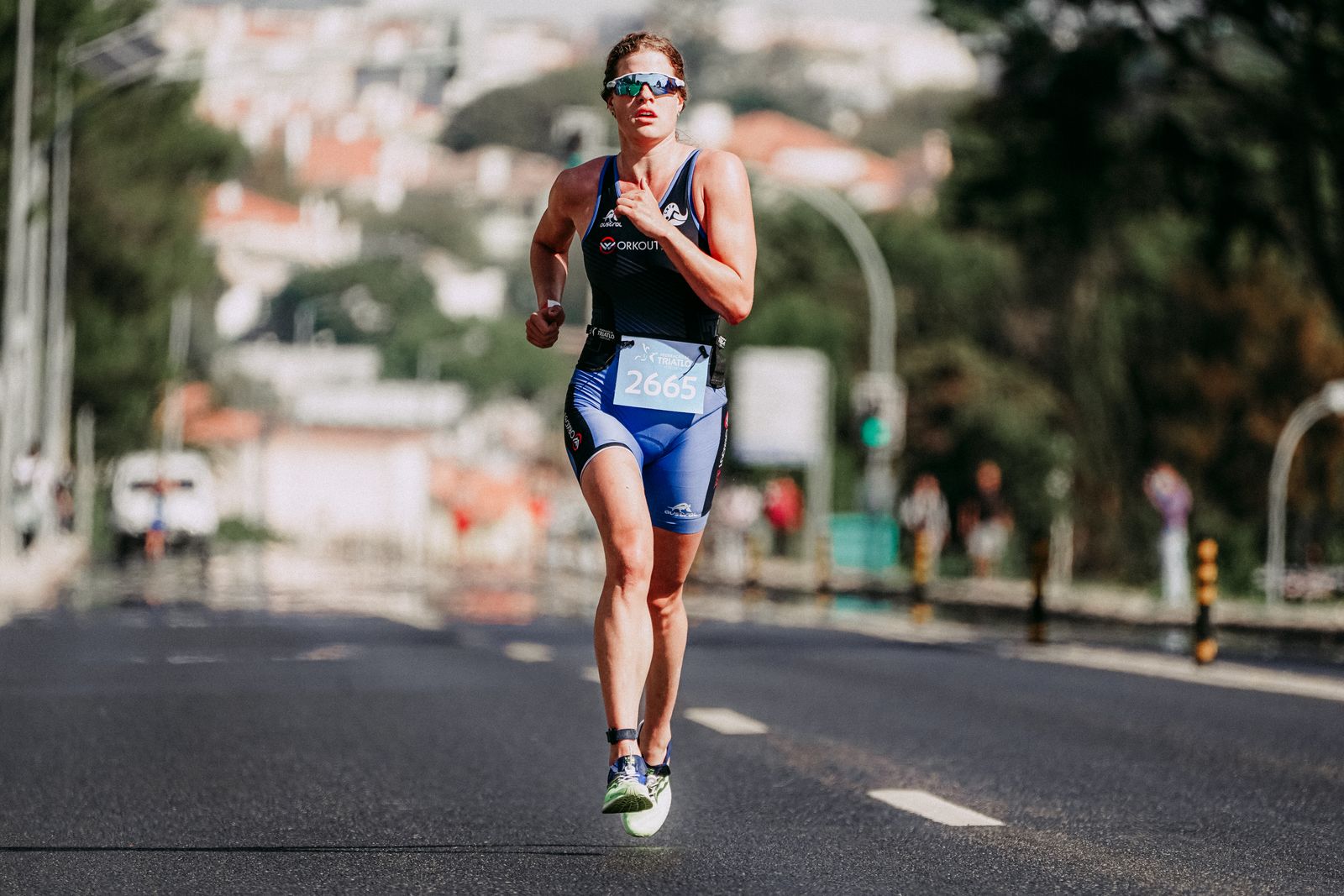
Your Threshold Run Is Probably Just a Medium Run in Disguise
Most threshold runs are too slow to count or too fast to repeat. Find your real threshold pace and use 3 sessions that actually build speed.

Telchatta Kumar
Your Threshold Run Is Probably Just a Medium Run in Disguise
Listen to this article · English
A threshold run is a sustained effort at roughly the pace you could race for about an hour: "comfortably hard," around 7 out of 10, where you can speak only a few words at a time. Most runners miss it in one of two directions. If your "tempo" feels like a brisk long run, or like a race you barely survive, it isn't threshold training, and it isn't doing the job you think it is.
Key takeaways
- Threshold pace is roughly your one-hour race pace, usually 10-20 seconds per km (15-30 seconds per mile) slower than your current 10K pace.
- The most common mistake is running it too slow, so it turns into a moderate "medium run" that tires you without a clear stimulus.
- The second mistake is running it too fast, turning a repeatable workout into a weekly time trial.
- Keep total threshold work to about 10% of your weekly volume, and finish every session feeling like you could do one more rep.
- Cruise intervals (threshold reps with short jogs) are the easiest way to get the pace right.
What "threshold" actually means
As you run faster, your muscles produce more lactate, and your body clears it. At easy paces, clearance keeps up and blood lactate barely rises. Somewhere between easy running and race pace there is a zone where production and clearance are still roughly in balance, but only just. Push past it and lactate (along with the hydrogen ions and other metabolites that accompany hard work) builds steadily until you have to slow down.
That tipping zone is what coaches loosely call "threshold." Physiologists measure it in several ways, including lactate thresholds, ventilatory thresholds and critical speed, and a 2009 review in Sports Medicine by Faude, Kindermann and Meyer located 25 different lactate threshold concepts in the literature. They don't all land on exactly the same pace. For practical training, though, they point to the same neighbourhood: the fastest pace you can hold for roughly 40-60 minutes in a race.
Training right at that edge teaches your body to clear and tolerate lactate better, so your threshold pace moves faster over time. Jack Daniels, whose Daniels' Running Formula made "T pace" famous, describes it as comfortably hard: demanding, but controlled enough that you could keep going.
The two ways runners get it wrong
Too slow: the medium-run trap
This is the "medium run in disguise." You head out for a "tempo," run 8-10 km (5-6 miles) at a pace that feels purposeful but conversational-ish, and come home pleasantly tired.
Take a runner with a 50:00 10K (5:00/km, 8:03/mile). Their threshold pace is roughly 5:10-5:20/km (8:19-8:35/mile). If their "tempo runs" are actually at 5:40-5:50/km (9:07-9:23/mile), they are working too hard to recover like an easy day but not hard enough to push the threshold up.
This is the classic gray-zone problem. Do it two or three times a week and you pile up fatigue that blunts your genuinely hard sessions, with none of the sharp signal that real threshold work provides. If that sounds familiar, our piece on polarized versus threshold-heavy training explains why so many amateurs get stuck there.
Too fast: the race in disguise
The opposite mistake is just as common, especially for competitive runners who use a GPS watch. The "tempo" becomes a weekly test: 6 km at 10K pace, legs burning, heart rate near max, a grim sprint to the finish.
That is not threshold. Above threshold, lactate keeps climbing no matter how steady your pace, so a 20-minute effort quickly becomes an all-out effort. You need days to recover, the session can't be repeated week after week, and it pushes you toward the same overtraining spiral as running everything hard.
A good test: at the end of a proper threshold session you should feel like you could have run another 10-15 minutes at the same pace. If you are doubled over, it was a race.
How to find your real threshold pace
No single method is perfect, so combine two of these.
From a recent race
- From a 10K: add about 10-20 seconds per km (15-30 seconds per mile) to your 10K pace. Faster runners sit at the smaller end, newer runners at the larger end.
- From a half marathon: threshold is a little faster than half marathon pace for most recreational runners, often 5-10 seconds per km (8-15 seconds per mile) quicker.
- From a 5K: add about 25-35 seconds per km (40-55 seconds per mile).
- VDOT tables: if you know your VDOT, Daniels' tables give a T pace directly. Our explainer on what VDOT actually predicts shows how to use them.
Use a race from the last 6-8 weeks. Older results describe a runner you no longer are.
From heart rate
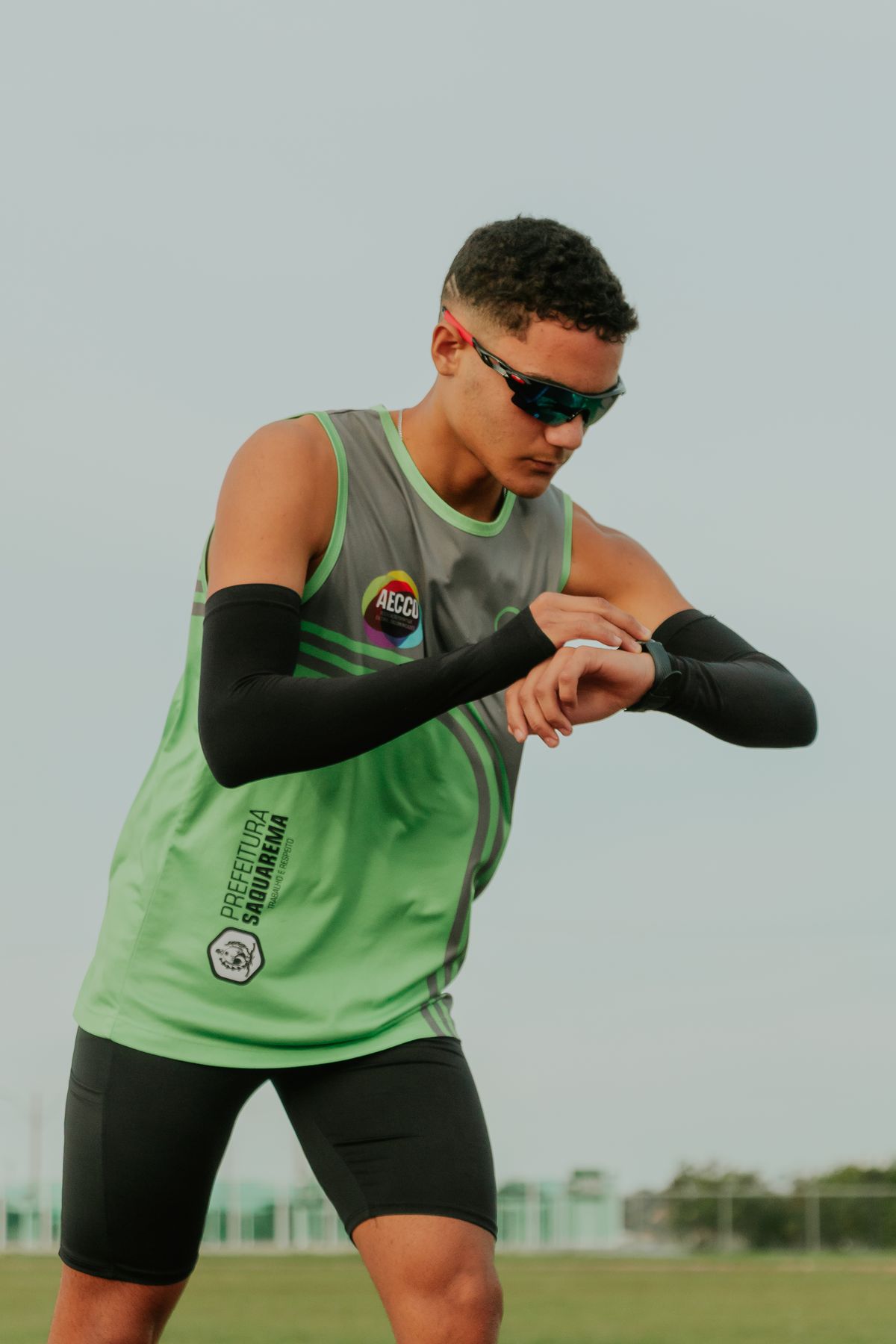
Daniels puts threshold at roughly 88-92% of maximum heart rate. That only works if you know your real max (from a hard test or race, not an age formula). Remember that heart rate lags at the start of a rep: it can take 3-5 minutes to settle, so don't chase the number early.
From feel
Threshold should feel like about 7 out of 10. Breathing is deep and rhythmic, you can say a few words but not a full sentence, and you feel focused rather than desperate. If you can chat, speed up. If you can't get words out, back off.
From a lactate meter
Some runners now use finger-prick lactate meters, popularized by Norwegian coaches who keep threshold sessions in a controlled, moderate lactate band (often reported as roughly 2-3.5 mmol/L) rather than the traditional 4 mmol/L. That approach is useful but individual; it needs repeated testing and is optional for most recreational runners.
Three threshold sessions that actually work
Always start with 10-15 minutes of easy running and a few strides, and finish with 10 minutes of easy jogging.
1. Cruise intervals (best starting point)
5 x 1 km (or 5 x 5 minutes) at threshold pace, 60 seconds easy jog between. The short breaks make it much easier to hold the right pace and keep the effort controlled. Progress to 6-8 reps over several weeks, or extend to 3 x 2 km (1.25 miles) with 90 seconds recovery.
2. The classic continuous tempo
20 minutes steady at threshold pace. This is Daniels' benchmark tempo run. It's mentally tougher than reps at the same pace, which is part of its value. Don't stretch it to 40 minutes at the same pace: once a continuous run goes much past 20-30 minutes, most runners should slow slightly toward half marathon pace.
3. Broken threshold (Norwegian-style)
10 x 1,000 m or 5 x 6 minutes at slightly below threshold pace, 60 seconds recovery. Running just under your threshold lets you accumulate more total time at a high-quality effort without blowing up. If you finish feeling fresh, that's the point, not a sign you went too easy.
How much threshold per week
Daniels' guideline is that a single threshold session shouldn't exceed about 10% of your weekly mileage. For a 50 km (31 mile) week, that's about 5 km (3 miles) of actual threshold running, not counting warm-up and cool-down.
Most recreational runners do best with one threshold session per week, plus one session of faster intervals or hill work, with everything else easy. Research on world-class runners supports this balance: a 2021 study by Casado and colleagues in the Journal of Strength and Conditioning Research followed 85 elite male distance runners and found that the volume of easy running and of tempo runs were the training activities that best predicted performance. Tempo work mattered, but on top of a large easy base. That's the logic behind training at five clearly separated paces rather than a dozen blurred ones.
A sample week (50 km / 31 miles)
- Monday: rest or 30 minutes very easy
- Tuesday: cruise intervals, 5 x 1 km at threshold with 60 seconds jog (about 10 km / 6.2 miles total)
- Wednesday: 8 km (5 miles) easy
- Thursday: 8 km easy with 6 x 20-second strides
- Friday: rest
- Saturday: 6 km (3.7 miles) easy, or hill repeats if you're building toward a race
- Sunday: long run, 16-18 km (10-11 miles) easy
Notice what's missing: a "medium" 10 km at almost-tempo pace on Wednesday or Thursday. Those runs feel productive and usually aren't.
Find your next race
Threshold work pays off most when it's aimed at something. Browse 10K races and half marathons where threshold fitness matters most, or search the full race calendar to find a goal for your next training block.
FAQ
What pace should my threshold run be?
Roughly the pace you could race for about an hour. For most recreational runners that's 10-20 seconds per km (15-30 seconds per mile) slower than current 10K pace, or a little faster than half marathon pace. It should feel like 7 out of 10.
Is a tempo run the same as a threshold run?
Often, but not always. Daniels uses "tempo" to mean a continuous run at threshold pace, while many runners use "tempo" for anything moderately hard, including slower marathon-pace runs. If the pace is well below threshold, it's a steady run, not a threshold workout.
How often should I do threshold runs?
Once a week is enough for most recreational runners, with the threshold portion around 10% of weekly volume. Experienced runners with high mileage sometimes do two lighter threshold sessions, but only if their easy days stay truly easy.
Why does my heart rate keep rising during a tempo run?
Some rise is normal because of cardiac drift, heat and dehydration. But if your heart rate climbs steadily toward max and you are struggling to hold pace after 10-15 minutes, you're likely above threshold. Slow down by 5-10 seconds per km next time, or switch to cruise intervals.
Should threshold runs feel easy?
They should feel controlled, not easy. You should finish feeling you could have continued for another 10-15 minutes. If you need a day or two to recover, the session was too fast.